
Investing in the workforce that carries the system.
A second area of work at Systemaize Health — for the people who hold the health system up, support workers to nurses.
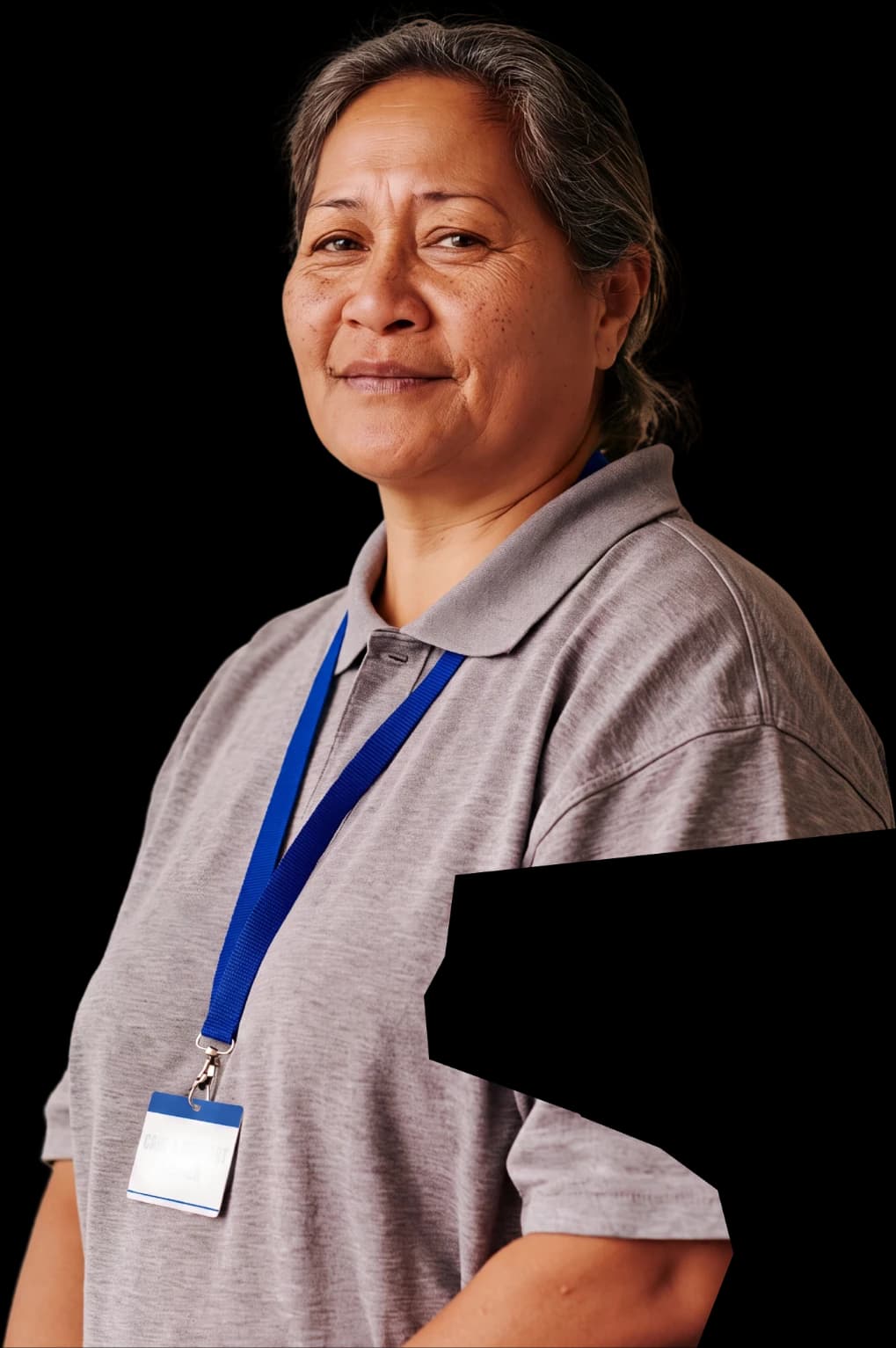
The people who carry care shouldn't carry it alone.
We invest in the people who do the caring. We design with support workers, not for them, and we listen before we build. We build alongside the organisations and communities who know this workforce best. We govern that work properly, with cultural and clinical oversight over everything we make. We evaluate honestly and share what we learn. And we protect the people who take part — their privacy, their voice, and their trust.
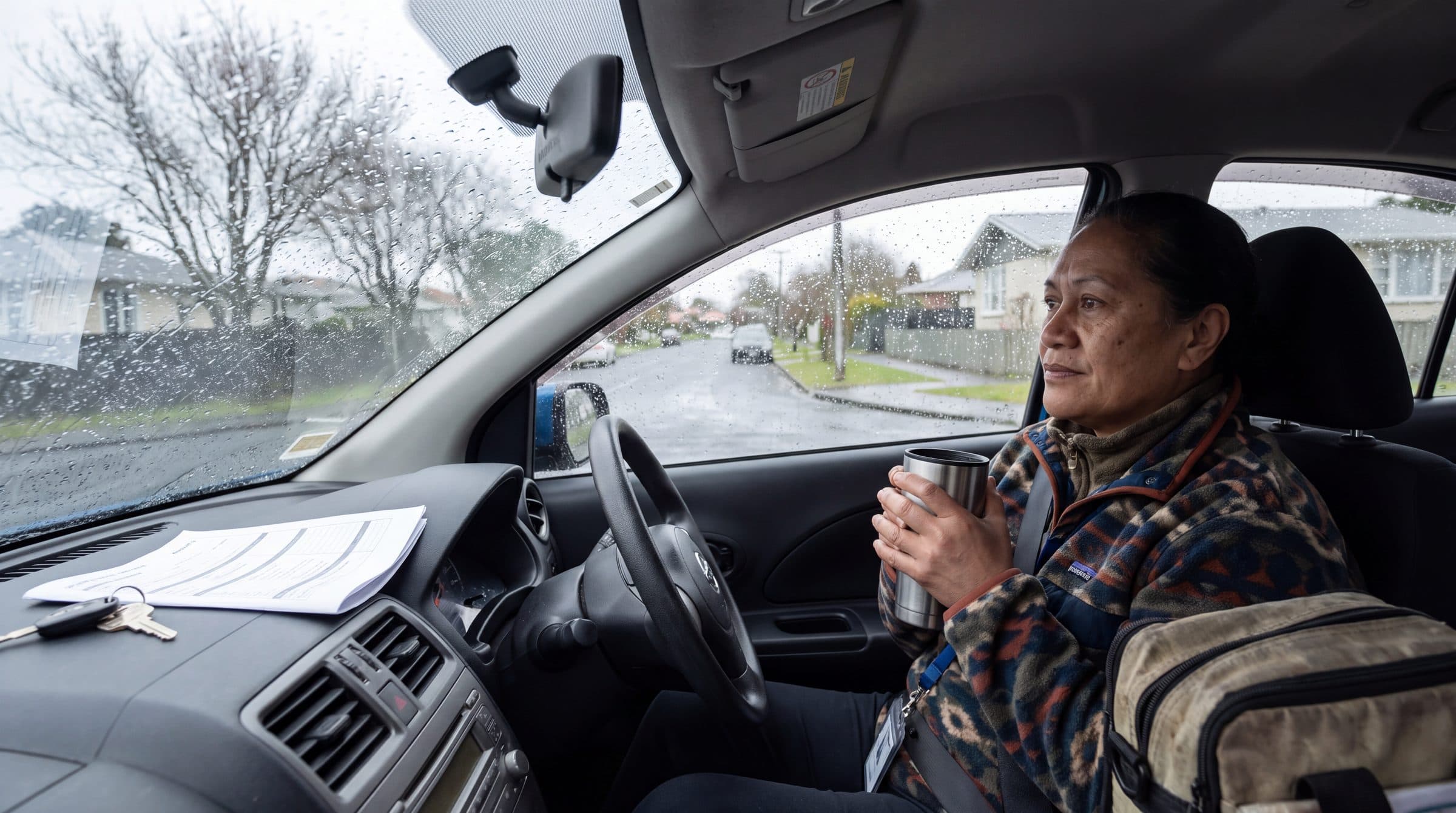
What the evidence tells us
Almost 80%
of support workers across disability, home and community care, and mental health and addiction services have experienced workplace violence
Workplace Violence in Community Based Care and Support Services, AUT, Prof. Katherine Ravenswood · July 2026 · as at July 2026
More than half
psychological violence — the most common form
Workplace Violence in Community Based Care and Support Services, AUT, Prof. Katherine Ravenswood · July 2026 · as at July 2026
299
support workers and managers surveyed
Workplace Violence in Community Based Care and Support Services, AUT, Prof. Katherine Ravenswood · July 2026 · as at July 2026
None of this is news to the people living it. It shapes what we choose to work on.
With, not for
These are the five behaviours we hold ourselves to in this work — each one checkable, and conditional on nothing but our own effort. They describe how we work with care and support workers today, not what we might build later.
Clinician-governed describes what we build, not who uses it: New Zealand clinicians govern how every solution is designed, reviewed and escalated — so it's safe, knows when something needs a person, and points to real help.
The same governance that runs our referral pathway work runs here.
- co-design (built with the workforce, not for it)
- named dual governance over everything we build
- evaluation discipline
- privacy and data sovereignty (the Data Sovereignty Statement applies here too)
- the answered door
- safe
- knows when something needs a person
- points to real help
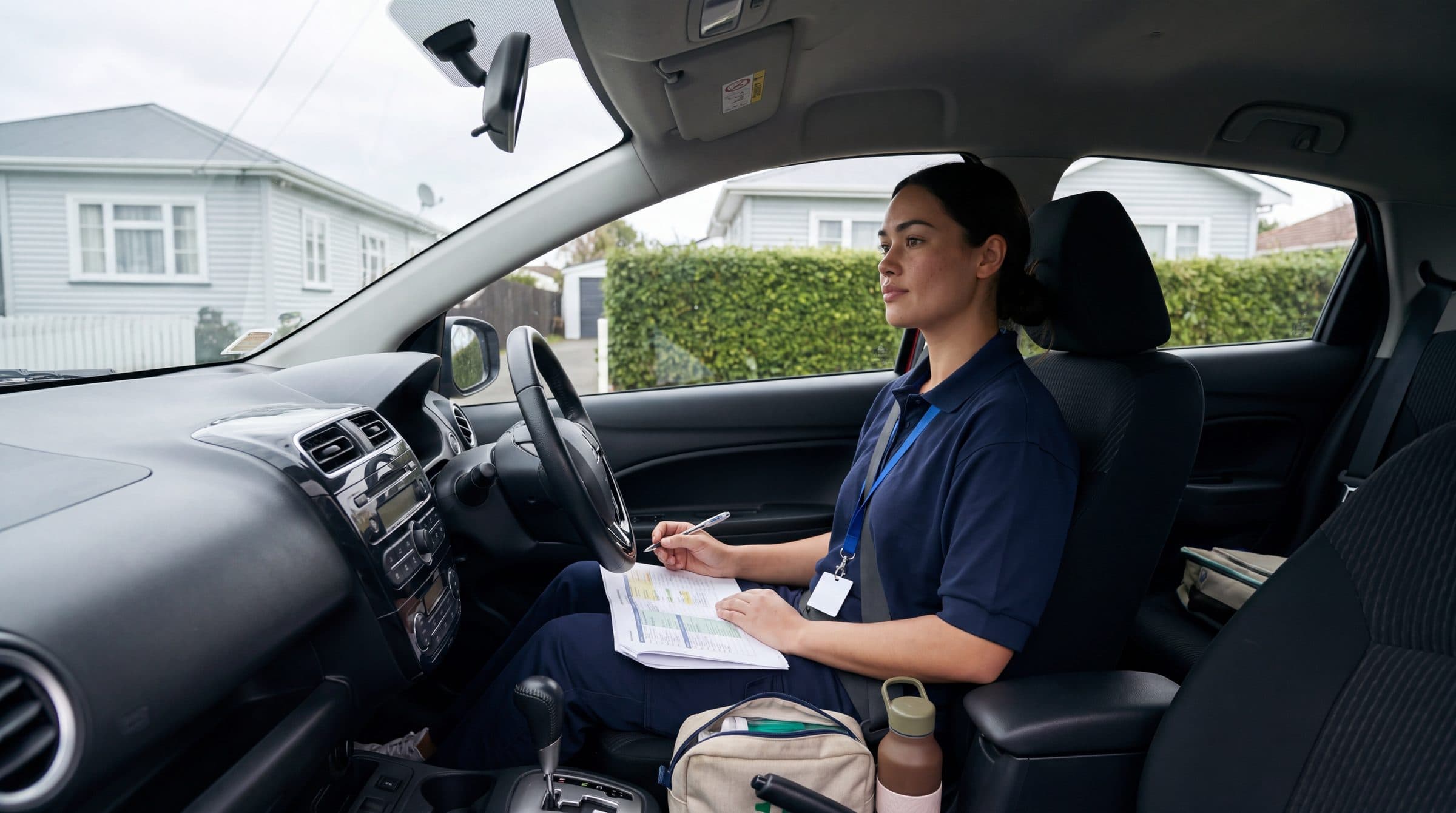
The people behind this work
Erik Gulliksen
Co-Founder — Technical Director
Levi Penno
Co-Founder — Strategic Lead
Roy Tikao
Pou Ārahi — Cultural & Partnerships Director
Dr Gill Penno
Clinical governance
Dr Michelle Todd
Clinical governance