
The wait is real
Nearly two hundred thousand New Zealanders are waiting for a first specialist appointment. Behind every number is someone checking the letterbox, ringing a booking line, wondering whether they've been forgotten. Some wait months. Some wait years. Close to home, in the South, some have died still waiting. The wait is not an abstraction to us — it is the reason this company exists.
198,812
people on the first specialist assessment list
Unmet and Unseen, Association of Salaried Medical Specialists (ASMS) · May 2026 · as at December 2025
One in five
specialist referrals declined — around 255,000 a year, extrapolated
Unmet and Unseen, Association of Salaried Medical Specialists (ASMS) · May 2026 · as at 2025
74,000+
people waiting longer than four months
Long waiting lists and wait times in NZ's public health system, PolicyWise · February 2025 · as at February 2025

We saw it from the inside
Two of us spent our careers in New Zealand general practice — more than sixty years between us — writing referrals and watching what happened next. Good referrals bounced for a missing detail. Complete ones sat while overloaded teams hunted through pages for the one thing that mattered. And patients disappeared quietly: a changed phone number, an unanswered letter, a name that slipped off a list. We didn't see bad people. We saw a system with a missing layer.
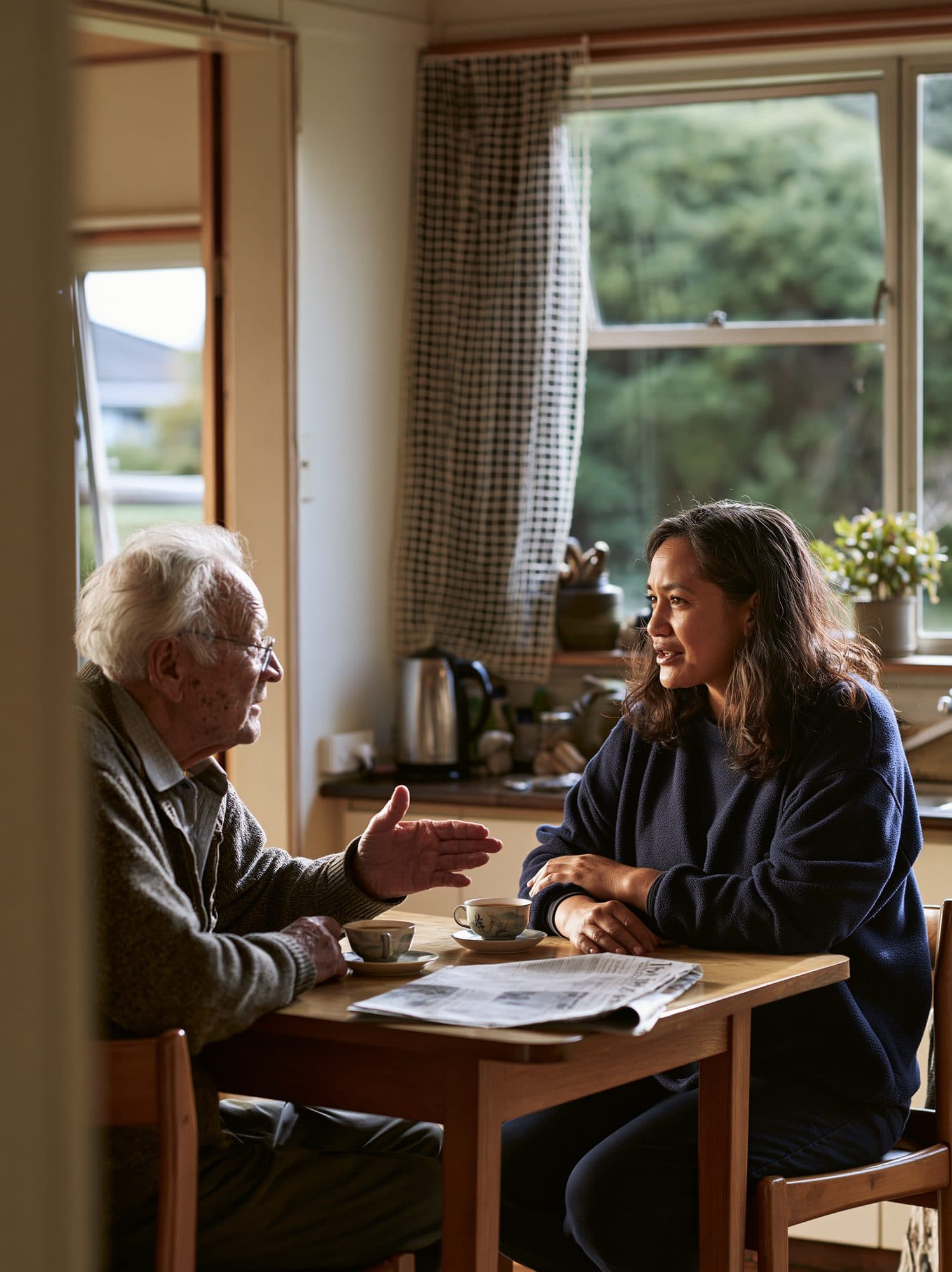
So we built the missing layer
We started Systemaize Health to build that layer — clinicians, engineers and cultural governance working together. Software that turns a messy referral into a clear, complete, review-ready pack; that checks it against the pathway's own criteria; that puts a clinician's decision at the centre of every step; and that keeps patients informed and visible for the whole wait. Nothing replaced. Nothing automated past a human. Just the connective work the system never had.
What changes
Referrals arrive complete the first time. Triage starts with everything in view. Decisions are consistent, transparent and clinician-made. And the person waiting is never in the dark and never off the radar — because a system that keeps hold of people is the whole point. No one gets lost.

The people who carry it
And we saw who carries it. The same careers spent watching referrals bounce were spent alongside the people doing the carrying — support workers to nurses — stretched, undervalued, and too often carrying it alone. So we made a second commitment: to invest in the workforce that carries the system. Built the way we build everything — governed, evaluated, alongside the people it's for.
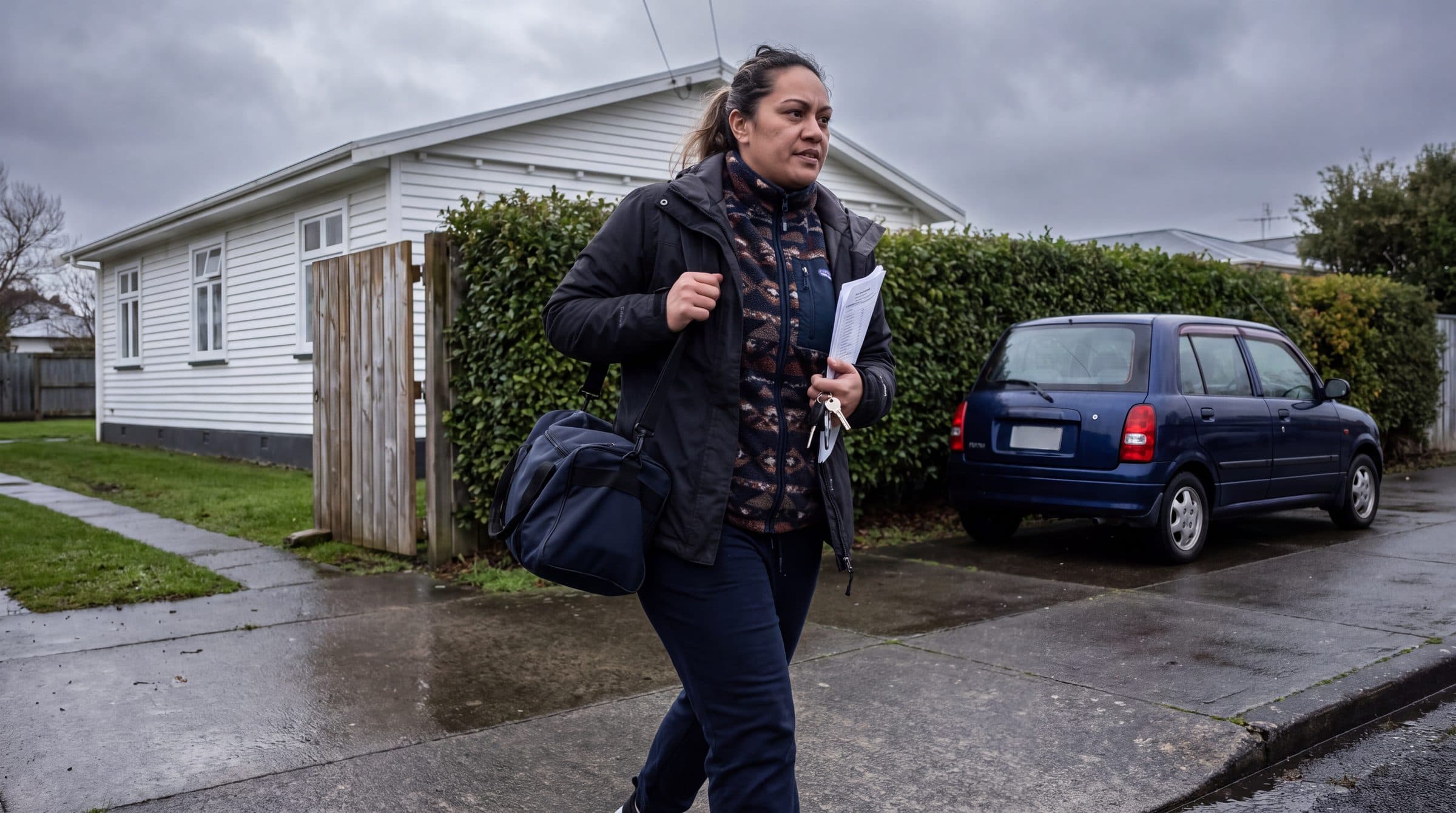
Systemaize Health exists so the weight of healthcare is carried well — the pathways patients move through, and the people who carry them.
No one gets lost
Systemaize Health was built by the people who carry the referral problem. Two GPs who spent their careers watching good referrals bounce off a system with no way to see them. An iwi leader who knows exactly who waits longest. And two builders who refused to accept that "lost in the system" is what a system should do. We built the missing layer. The promise is simple: no one gets lost in the referral system.
New Zealand's leading healthcare partner in clinician-governed solutions — across referral pathways and the healthcare workforce.